You’ve got a website.
It looks good. The colours are right. The photos are lovely. You might have even had a few compliments on it.
But your website isn’t generating enquiries, or converting visitors into enquiries, and you might be wondering why your website isn’t converting.
Or if they are, they’re few and far between.
If you’ve ever found yourself wondering “why isn’t my website converting?” or “why am I getting website traffic but no enquiries?”, you’re not alone.
If that sounds familiar, you’re not doing anything wrong. This is exactly where most service-based businesses end up. Whether you’re a florist, a beautician, an accountant, a wedding supplier or running a local pub, the issue is rarely effort.
It’s usually structure.
Because a website isn’t just there to exist. It’s there to quietly do a job in the background. If you’re not sure what that should look like in practice, you can read more about my approach to building strategic websites here.
If it’s not doing that, something underneath isn’t working as it should.

Why your website isn’t generating enquiries
If your website isn’t generating enquiries, it’s usually because visitors don’t immediately understand what you do, don’t feel confident you’re the right fit, or aren’t clearly guided towards taking the next step.
Even a well-designed website won’t convert visitors into enquiries if it lacks clarity, trust, and structure, which is often why business owners find themselves asking why their website isn’t converting.
Your website doesn’t immediately feel relevant to your ideal client
When someone lands on your website, you have a matter of seconds to show them they’re in the right place.
Not minutes. Seconds.
Most websites open with something quite general. A welcome message, a business name, maybe a sentence about being passionate or experienced.
But your potential client isn’t looking for passion. They’re looking for reassurance.
If someone is searching for a wedding cake designer, they want to know straight away that you design wedding cakes. If they’re looking for a local accountant, they want to feel confident you work with businesses like theirs. If they’re booking catering, they want to know you can deliver the kind of event they’re planning.
If that connection isn’t immediate, they won’t spend time figuring it out. They’ll simply go back and try the next option.
What makes the difference is clarity.
A strong website makes it obvious, within seconds, who you help and what you do for them. No interpretation required.
The people visiting your website aren’t the right people (and that’s why you’re not getting enquiries)
Sometimes the issue isn’t your website at all. It’s who’s finding it.
You might be getting visitors, but if those visitors aren’t actually in a position to book you, they won’t enquire.
This often happens when your website is too broad.
If you try to appeal to everyone, you end up attracting people who are curious rather than committed. People browsing rather than buying.
For example, someone searching “ideas for wedding flowers” is very different to someone searching “wedding florist in South East London”.
One is researching. The other is ready to enquire.
The more specific your website is about what you offer and who it’s for, the more likely it is to attract people who are already close to making a decision.

People don’t know what to do next
This is one of the simplest issues, but also one of the most common.
A visitor lands on your website, scrolls through, thinks “this looks good”… and then leaves.
Not because they’re not interested, but because they haven’t been guided.
If there isn’t a clear next step, people hesitate. And hesitation online usually means exit.
It should feel obvious what to do next. Whether that’s sending an enquiry, requesting a quote, or getting in touch, the path needs to be clear and easy.
A strong website doesn’t make people think. It leads them.
There isn’t enough reassurance
Even if someone likes what they see, they’re still asking themselves a quiet question:
“Can I trust this business?”
If your website doesn’t answer that, they won’t take the risk.
This is especially important for service-based businesses, where people are often spending a meaningful amount of money or trusting you with something important.
Reassurance comes from what people can see.
It might be previous work, kind words from past clients, recognisable names, or simply the way your business presents itself.
Without that, even a well-designed website can feel uncertain.
With it, everything feels more secure.
It looks good, but it doesn’t guide people
This is where many websites fall down.
They’ve been designed to look nice, but not to lead someone through a decision.
There’s a difference.
A strategic website gently moves someone from interest to action. It answers questions before they’re asked. It removes doubt before it becomes a barrier.
Without that structure, people drift.
They scroll, they skim, they click around… and then they leave.
Not because they didn’t like what they saw, but because nothing pulled them forward.
Your website isn’t showing up in the right searches
Even the best website won’t generate enquiries if the right people aren’t finding it.
Search engines are often where your next client starts. Whether it’s “hair and makeup artist near me”, “corporate catering London” or “small business accountant UK”, those searches are happening every day.
If you’re unsure whether your current website is set up to support this properly, it’s worth taking a look at what’s actually included in a strategic website build or redesign.
And if it is appearing, but for the wrong types of searches, you’ll see traffic without enquiries.
Good SEO isn’t about being everywhere. It’s about being visible in the right places.
There’s no reason to act now
Sometimes everything looks right, but the enquiry still doesn’t happen.
That’s often because there’s no urgency.
If someone feels like they can come back later, they usually will. And more often than not, they don’t return.
A small amount of context can make a big difference here.
Letting people know you book up in advance, that dates are limited, or that you’re currently taking on new clients creates a sense of movement.
It turns “I’ll come back to this” into “I should get in touch”.
So what’s actually going wrong?
If your website isn’t generating enquiries or isn’t converting visitors into enquiries, it’s rarely one big issue.
It’s usually a series of small gaps.
A lack of clarity at the start.
A mismatch in who you’re attracting.
Not enough reassurance.
No clear direction on what to do next.
Individually, they don’t seem like much.
Together, they’re the difference between a website that gets enquiries… and one that doesn’t.
What a good website should be doing instead
Your website should feel like a helpful conversation, not a static page.
It should quickly show someone they’re in the right place.
Help them understand what you offer.
Reassure them that they can trust you.
And then make it easy to take the next step.
When all of those pieces are in place, enquiries stop feeling unpredictable.
They become consistent.
Final thought
If your website isn’t generating enquiries, or converting visitors into enquiries, it doesn’t mean your business isn’t good enough.
It means your website isn’t communicating that clearly enough yet.
And that’s something that can be fixed.
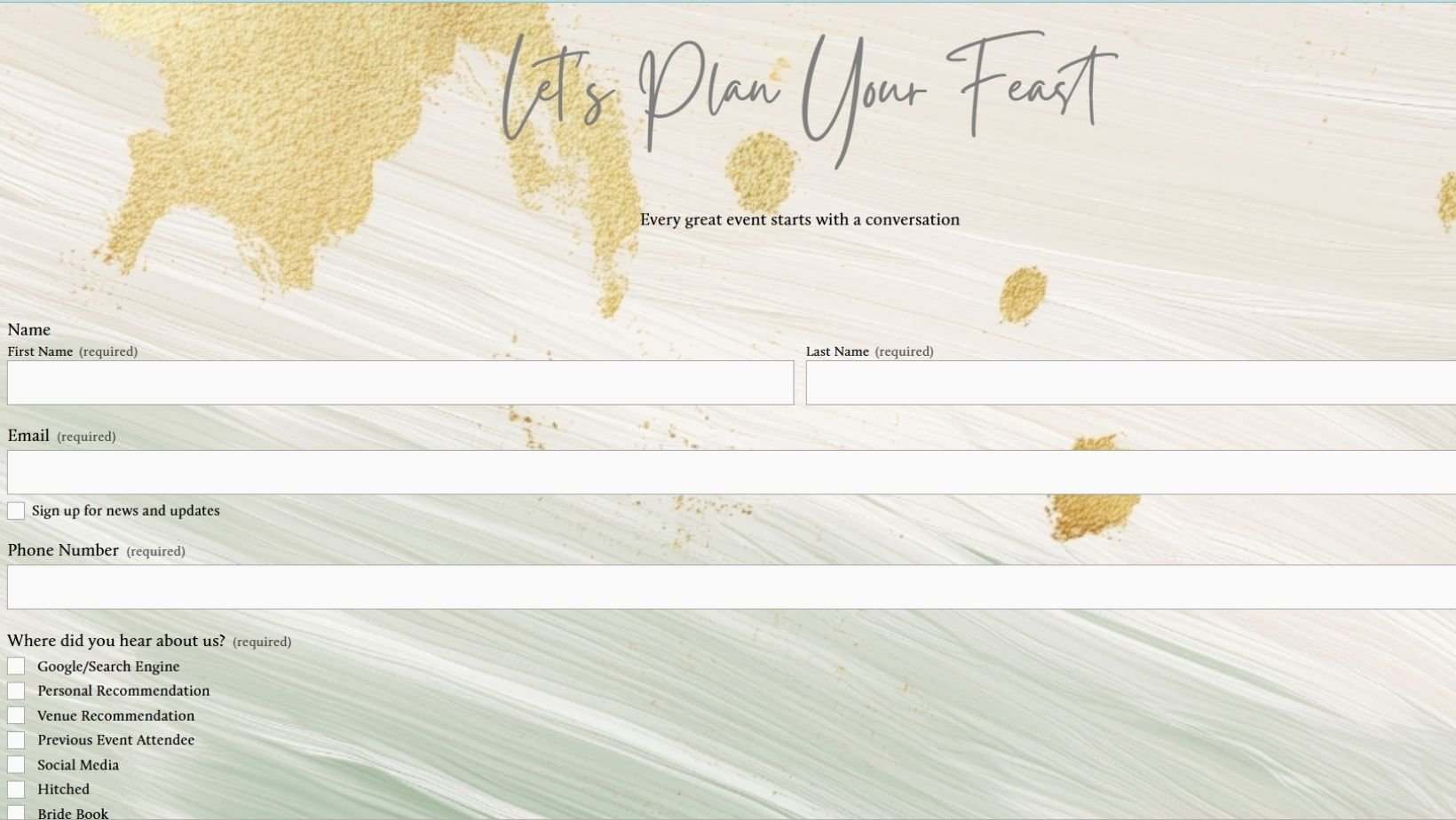
Ready to understand what’s holding your website back?
If you’d like a clear, honest view of what’s working and what isn’t, I offer website audits designed for service-based businesses.
No jargon. No overwhelm. Just practical insight you can actually use.
Enquire about a website audit and find out what’s holding your website back
Frequently asked questions
-
This usually means your website is attracting the wrong audience or not clearly guiding visitors towards taking action. Even interested visitors will leave if they’re unsure what to do next or don’t feel confident in your service.
-
To increase enquiries, your website needs to clearly communicate what you do, who you help, and how to take the next step. Adding strong calls-to-action, building trust through testimonials, and improving your messaging can make a significant difference.
-
Yes, but only if it attracts the right people. Good SEO brings in visitors who are already searching for your services, which increases the likelihood of enquiries. Poor SEO can bring traffic without conversions.
-
A high-converting website is clear, easy to navigate, and built around the client’s needs. It reassures visitors, answers their questions, and makes it simple to get in touch.