If your website isn’t generating consistent enquiries, it’s easy to assume the problem is your design, your pricing, or even your marketing.
But in most cases, it comes down to something much simpler.
It’s your structure.
And until that’s fixed, more traffic won’t solve the problem.
A high-converting website isn’t just about how it looks. It’s about how clearly it guides someone from curiosity to confidence, and then into action.
And that only happens when the right pages are in place, doing the right jobs.
If you’re a service-based business, these are the pages your website must have if you want it to consistently turn visitors into enquiries.
What pages should a service-based website have?
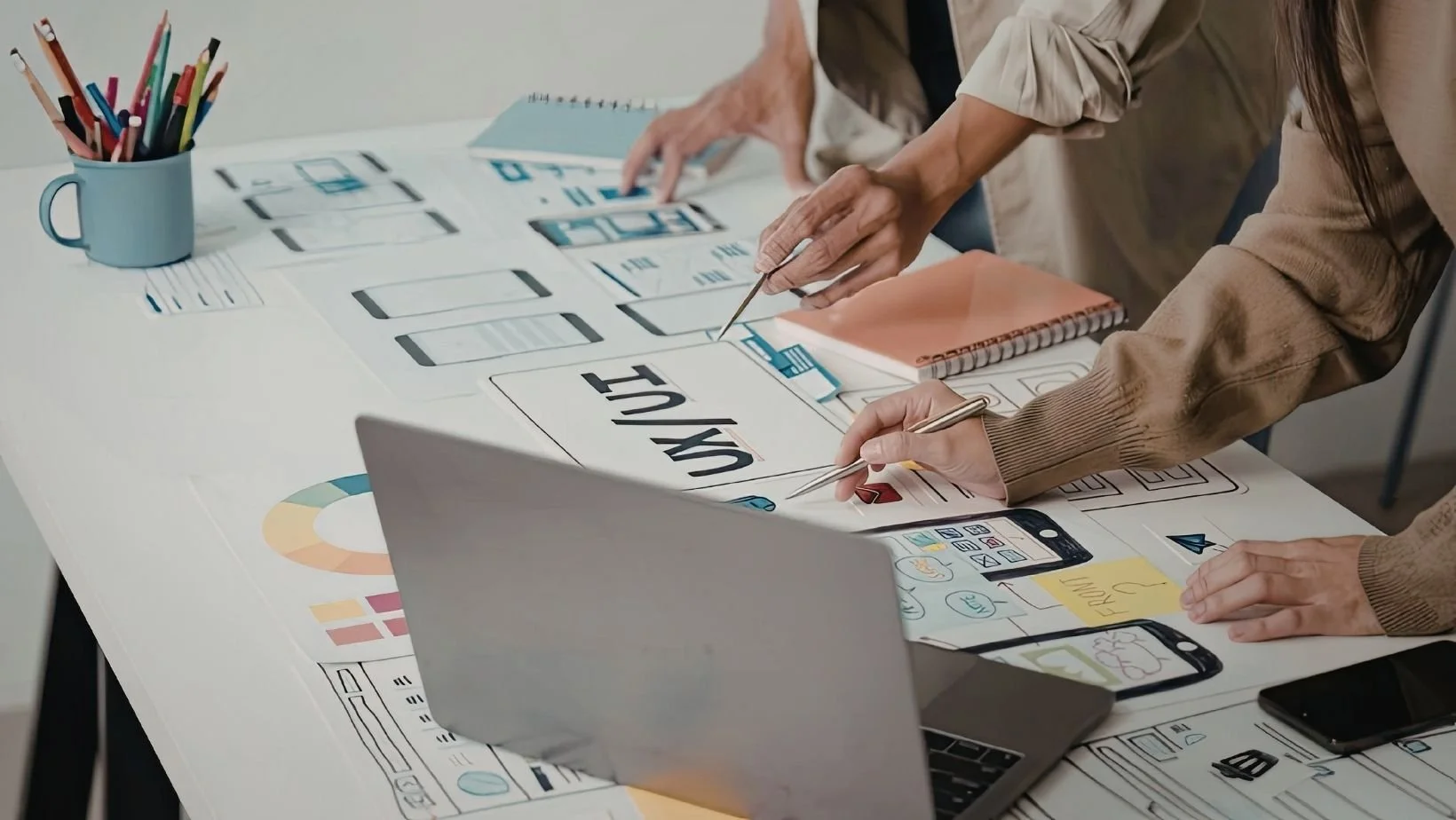
A high-converting service-based website typically includes five core pages: a home page, a services page, an about page, case studies or portfolio, and a contact page. Each page plays a specific role in guiding a visitor from first impression through to enquiry.
Your Home Page: The First Impression That Decides Everything
Your home page isn’t there to say everything. It’s there to make someone stay.
Within a few seconds, a visitor should understand exactly what you do, who you do it for, and whether they feel like they’re in the right place.
If that isn’t immediately clear, they leave.
A strong home page should guide, not overwhelm. It should introduce your service, highlight the outcome you deliver, and move people naturally towards taking the next step.
If you’re unsure whether your home page is doing that effectively, it’s worth revisiting what actually makes a high-converting website for service-based businesses, because structure plays a much bigger role than most people realise.
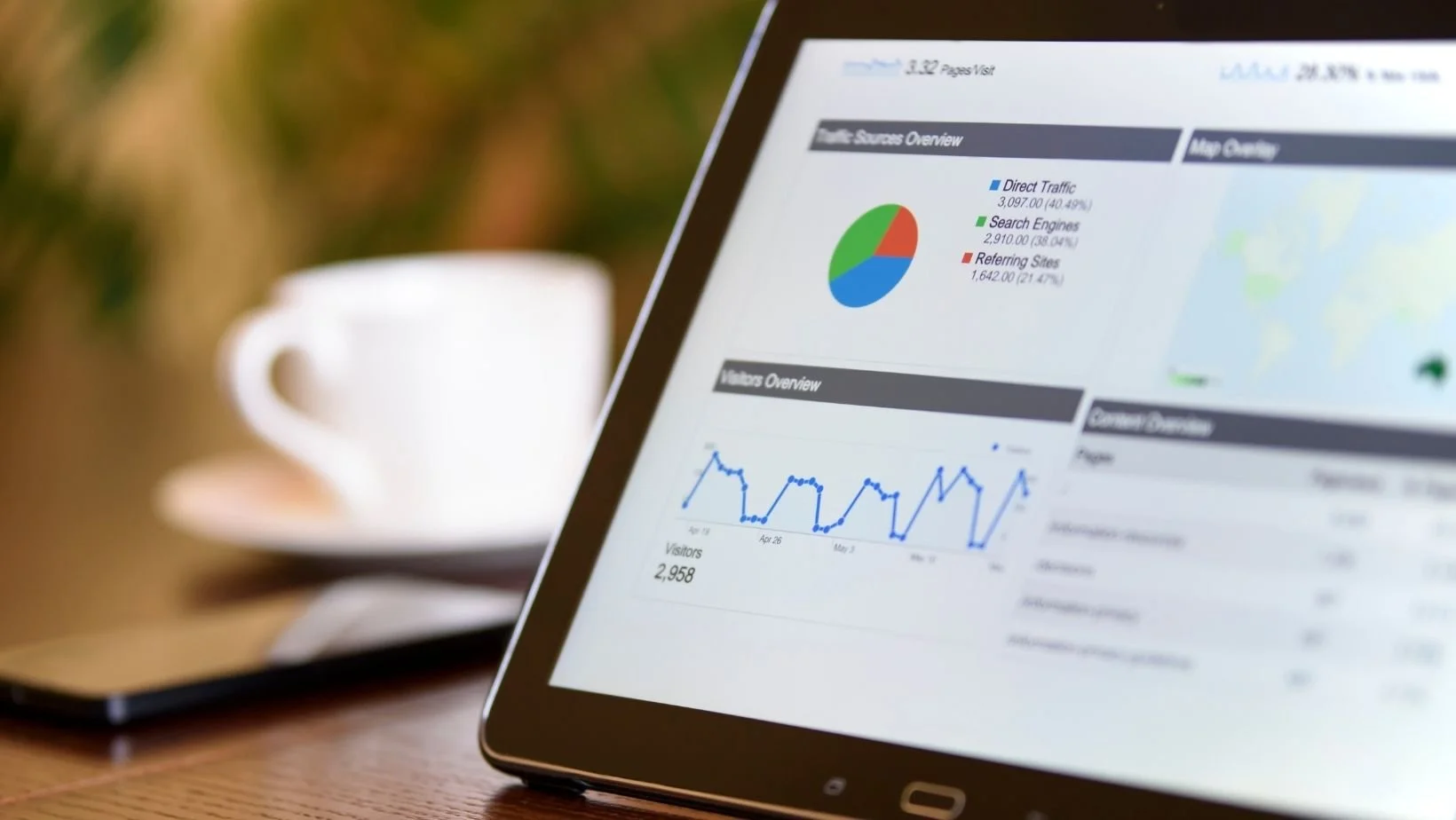
Your Services Page: Where Interest Turns Into Intent
Once someone understands what you do, their next question is simple.
“What exactly do you offer, and is it right for me?”
Your services page is where curiosity becomes consideration.
This isn’t the place for vague descriptions or industry jargon. It’s where you clearly explain your offer, your process, and the outcome your client can expect.
The more clarity you provide, the easier it is for someone to picture themselves working with you.
And when that happens, they’re far more likely to enquire.
Many businesses struggle here, not because their service isn’t good, but because it isn’t explained in a way that builds confidence. If that sounds familiar, you might find it helpful to revisit how to get more enquiries from your website without redesigning it, as small changes in messaging can make a significant difference.
Your About Page: The Trust Builder Most People Get Wrong
Your About page isn’t really about you.
It’s about making your potential client feel understood.
People want to know who they’re working with, especially in service-based businesses where trust matters. But too often, About pages focus on timelines, credentials, or company history, rather than connection.
A strong About page bridges the gap between professional and personal. It reassures your visitor that you understand their needs, that you’ve helped people like them before, and that you’re someone they can trust to deliver.
When done properly, this page quietly removes doubt, and that’s what leads to enquiries.
Your Case Studies or Portfolio: Proof That You Can Deliver
At some point, every visitor asks themselves the same question.
“Can they actually do what they say they can do?”
This is where your case studies or portfolio become essential.
It’s not enough to say you’re experienced. You need to show it. That means showing real projects, explaining the problem, the approach, and the result. Not just images, but context.
Real examples of your work, explained clearly, allow potential clients to see the process, the results, and the standard they can expect.
This is often the moment where someone shifts from “just looking” to seriously considering getting in touch.
If your website isn’t generating enquiries, it’s often because this proof is missing or too vague, which creates hesitation.

Your Contact Page: The Step That Should Feel Effortless
You’d be surprised how many websites lose enquiries at the final step.
Not because people aren’t interested, but because getting in touch feels harder than it should.
Your contact page should be simple, clear, and reassuring.
It should tell people exactly what happens next, how long it will take to hear back from you, and what information you need to get started.
This removes uncertainty, which is one of the biggest barriers to enquiry.
If your website is getting traffic but not leads, this is one of the first places to look.
It often links back to the same issue we see again and again, which is that your website isn’t generating enquiries because it isn’t guiding people clearly enough through the process.
Why These Pages Matter More Than Design
A beautifully designed website means very little if it doesn’t guide someone properly.
What actually drives enquiries is clarity, structure, and trust.
Each of these pages plays a specific role in that journey. When one is missing, unclear, or underdeveloped, the whole system becomes weaker.
That’s when you start to see clear patterns:
Visitors landing on your site and leaving quickly
People browsing but not enquiring
Interest without conversion
Enquiries that aren’t the right fit
It’s not random. It’s structural.
If your website already has these pages but still isn’t converting
If you’re reading this and thinking, “I have all of these pages, but I’m still not getting enquiries,” the issue usually isn’t what you have. It’s how those pages are working together.
Structure, clarity, and flow are what turn a website into something that actually converts.
Final Thoughts
If you take one thing from this, let it be this.
Your website doesn’t need more pages. It needs the right pages, doing the right job.
When your home page captures attention, your services page builds understanding, your About page creates connection, your case studies provide proof, and your contact page removes friction, everything starts to work together.
And that’s when enquiries start to feel consistent, rather than unpredictable.